

When gelato melts too fast, the recipe is not automatically at fault. The cause may be the mix structure, incorporated air, freezing, hardening, storage, the display case or the way the gelato is served. Changing every part at once can produce a different result without showing you what caused the original problem.
Start with one practical question: when does the change first appear? Gelato that is already too soft when it leaves the machine calls for different checks from gelato that changes after storage or only during service.
- Before changing the formula, record when the gelato first loses its shape.
- Compare batches made with the same recipe, volume, machine and working method.
- Read the recipe and cold chain as one system rather than two separate problems.
Melting is normal; “too fast” needs a working definition
Gelato receives heat as soon as it leaves storage and enters the service environment. The surface softens first, then the structure underneath begins to change. The useful question is not whether it melts, but whether the rate suits the recipe, serving temperature, scoop shape and the time a customer normally takes to eat it.
A brief impression from one pan is not enough. Use the same number of scoops, the same container, the same service position and a measured time. This simple comparison gives you better evidence than a general comment such as “it feels softer today”.
When gelato melts too fast, what role does structure play?
A frozen dessert is not a solid block of ice. It contains ice crystals, a liquid phase with sugars and other dissolved material, fat, protein, other solids and air. The University of Guelph ice cream technology guide explains how crystal size, air distribution and the fat network contribute to frozen-product structure. As heat enters, these parts change together.
One adjustment can therefore affect several properties. Adding sugar changes more than sweetness. Changing solids or air can alter density, mouthfeel and the way a serving holds its shape. Use the guides to gelato recipe balancing and gelato ingredient functions to assess the formula as one system.
Find where the problem starts before choosing a correction
Too soft from the machine
Check formula, initial mix temperature, load, end point, machine condition and incorporated air.
Changes after storage
Check hardening speed, freezer stability, product transfers, door opening and container placement.
Changes during service
Check pan position, display-case load, room conditions, door use and the service rhythm.
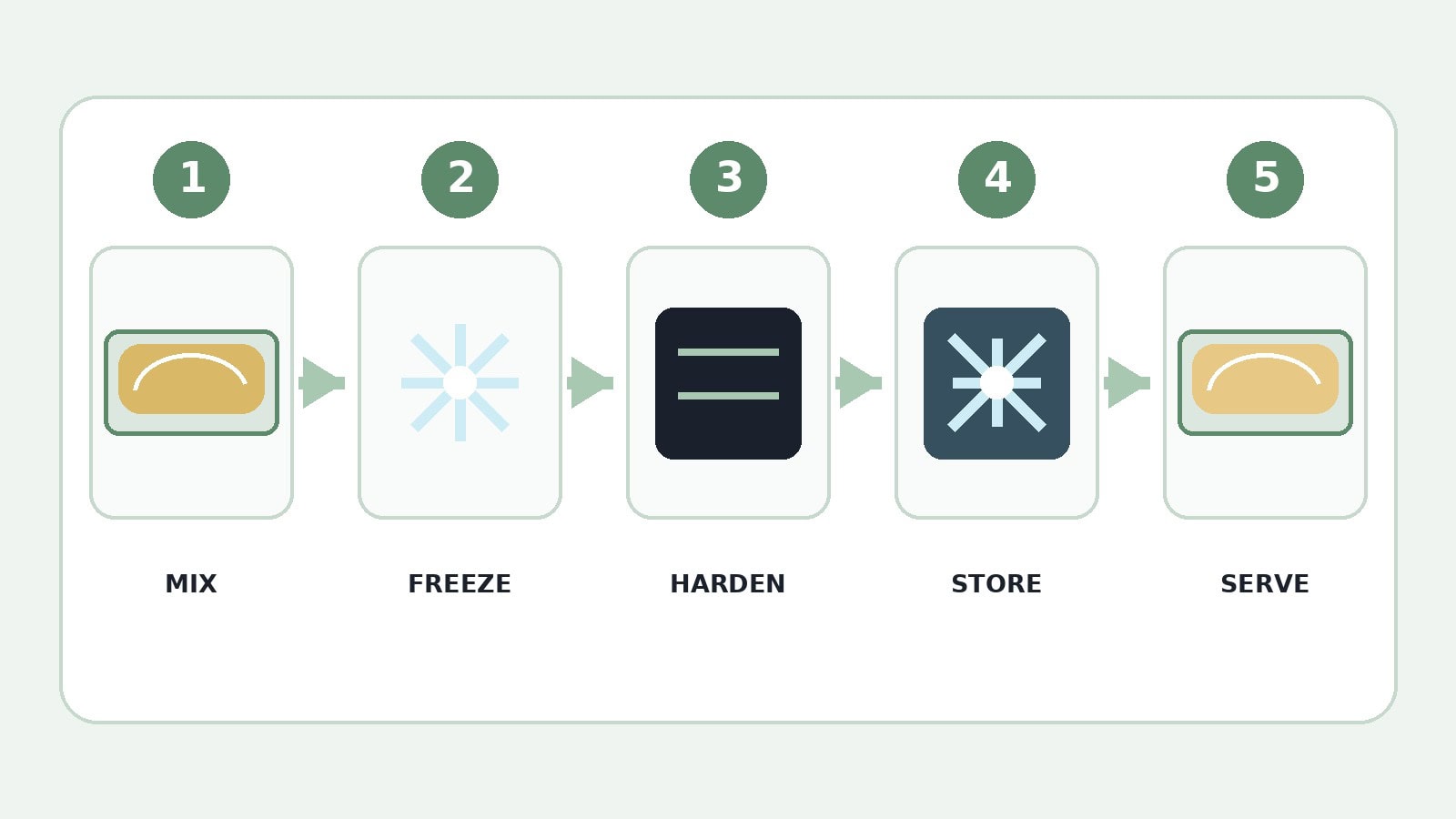
Six causes to check in order
1. The balance of water, sugars and total solids
Frozen water forms a major part of the cold structure, while sugars and dissolved materials affect how much water remains unfrozen at a given temperature. Total solids also influence body. When the formula changes, scooping and melting behaviour can change with it. Do not correct one ingredient based on intuition alone. Compare the result with a documented formula and a batch that was previously stable.
2. Overrun and air distribution
Air adds volume and contributes to structure. Large differences between supposedly equivalent batches can make the product feel and behave inconsistently. Measure it with the same method, then relate the result to mix temperature, load, processing time and machine condition. The guide to calculating gelato overrun shows how to build comparable records.
3. Freezing does not reach a consistent process end point
A warmer starting mix, a different load, a machine that is not ready, or an end point judged only by guesswork can produce a different structure. Record initial mix temperature, quantity, processing time and the end-point sign used by the operator. If results vary between operators, standardise the procedure before deciding that the ingredients need to change.
4. Hardening and storage are not stable enough
Gelato leaving the machine still needs fast, consistent handling. Delayed transfer, an overfilled container, blocked airflow or frequent freezer-door opening can give different parts of the product different temperature histories. These changes can also affect texture. If crystals or a coarse sensation appear, use the guide to coarse gelato texture as a separate diagnostic path.
5. The display case does not match the product and service rhythm
A display case operates in a changing environment. Pan position, airflow, load, condenser cleanliness, room conditions and service frequency all affect the heat reaching the product. Do not copy one setting from another business as a universal rule. Read the equipment manual, measure correctly and use the guide to gelato display-case selection and management to assess the equipment as part of the system.
6. Scooping and service vary too much
A very thin scoop, a long wait before handover, a warm container or a serving left near a heat source will all make the gelato lose its shape faster. A service standard should define portion size, working order, pan placement and the time from scooping to the customer. The aim is not rigid service. It is a customer experience the team can repeat.
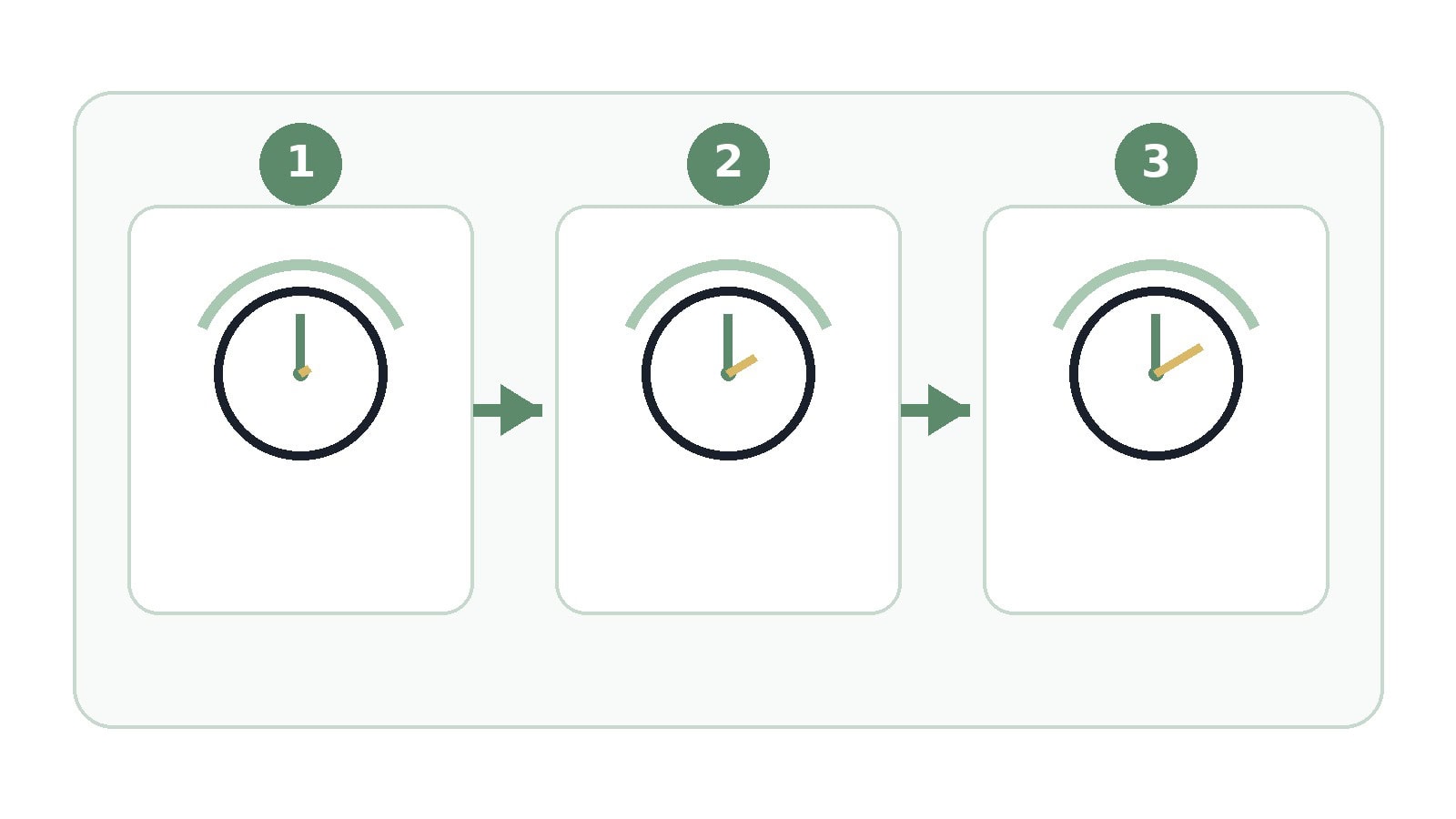
A repeatable check order for each batch
- Define the symptom. Record whether only the surface softens, a scoop collapses quickly, or the whole pan is too soft.
- Define the timing. Check the product from the machine, after hardening, after storage and during the normal service window.
- Use one reference batch. Work from a documented formula, volume, ingredient set, machine and operator procedure.
- Review time and temperature records. Look for changes in the mix, process, transfer, freezer, display case and service area.
- Measure overrun in the same way. One number is not a verdict; compare batches that should be equivalent.
- Change one variable and repeat. Keep sensory and process notes so the next result can be compared reliably.
If gelato melts too fast in only one pan, start with that pan’s position, fill level, handling and history. If every pan changes together, examine shared conditions such as the display case, room temperature, procedure or mix batch. This order narrows the problem before the formula is touched.
Symptom map and first check
| Symptom | Initial clue | First check |
|---|---|---|
| Too soft when leaving the machine | The initial structure is inconsistent. | Formula, mix temperature, load, processing time, machine condition and overrun. |
| Good when made, then softens quickly after storage | Hardening or storage needs review. | Transfer speed, container placement, airflow, doors and temperature history. |
| Only one pan changes | Position or handling may differ. | Display position, pan load, rotation and the operator’s handling. |
| First scoops hold well, then the pan softens during busy periods | Service load and heat exposure are increasing. | Door use, airflow, scooping rhythm and room conditions. |
| Results vary by operator | The end point and procedure are not aligned. | Work sequence, records, portion size and freezing end-point criteria. |
Three quick fixes to avoid
Adding ingredients before diagnosis. Sugar, stabiliser and other solids work inside the whole formula. A random change may reduce one symptom while creating another.
Lowering an equipment setting without checking the context. One setting cannot suit every recipe, machine, pan position and room condition. Work within the equipment’s specifications and measure the actual result.
Assuming harder is always better. Gelato still needs to be scoopable and pleasant at its chosen service condition. Consistency matters more than chasing the lowest possible temperature.
Keep this working rule: correct the cause supported by evidence, not the symptom that is easiest to guess.
Frequently asked questions about gelato that melts too fast
Is the recipe always responsible when gelato melts too fast?
No. The cause may also lie in overrun, freezing, hardening, storage, the display case or the service method. The moment when the change first appears guides the initial checks.
Should I change the recipe immediately?
No. First determine whether the problem exists from the machine, appears after storage, or happens only during service. Change the formula only when the evidence points there.
Does overrun affect the way gelato softens?
Yes. Air contributes to volume and structure. Measure it consistently and interpret it with the formula, temperatures, processing time and machine condition.
Is a colder display case always the answer?
Not always. The setting must suit the equipment, recipe, pan position, service rhythm and room conditions. Check the complete system and follow the equipment specifications.
How can I make the diagnosis more reliable?
Use a reference batch, record time and temperature, measure overrun with the same method, change one variable and repeat the observation.
Build consistent gelato through a measured process
If you want to build a more measured working method, explore the La Gelato course programme.
Explore the Gelato Course