A coarse gelato texture is not one defect with one cause. An icy sensation from noticeable crystals and a sandy feeling that lingers can begin at different stages. A useful diagnosis starts by identifying the symptom, then follows the mix, freezing, hardening, storage and service sequence.
Shortcuts such as adding sugar or stabiliser without a record can make the cause harder to trace. A more reliable approach is to inspect the process in a consistent order and change one variable at a time.
- Separate large ice crystals from a sandy sensation before changing the formula.
- Compare the texture when it leaves the machine, after hardening and after time in the display case.
- Record the recipe, temperatures, times and handling for each batch so you can trace the cause.
Why a coarse gelato texture should be read as a process
The structure of a frozen product depends on frozen water, total solids, sugars, fat, protein, air and mechanical processing. When ice crystals grow large enough, the tongue perceives an icy or coarse sensation. The University of Guelph’s ice cream technology guide explains that slow freezing, insufficiently rapid hardening and temperature changes during storage can encourage crystal growth and recrystallisation.
Not every coarse sensation comes from ice. A sandy feeling that does not quickly disappear in the mouth may point towards lactose crystallisation or solids that have not dispersed well. Diagnosis therefore needs to combine the sensory result, the moment the problem first appears and the batch history. This article provides a sequence of checks; it does not replace a direct assessment of the formula and equipment.
Separate three sensations before looking for the cause
Smooth and even
No individual particles stand out. The structure remains smooth at the intended serving temperature and matches the recipe’s character.
Coarse or icy
The product feels cold and sharp, like small fragments. The sensation usually decreases as the crystals melt in the mouth.
Sandy or powdery
Fine grains linger for longer. Check ingredient dissolution, the solids balance and changes that developed during storage.
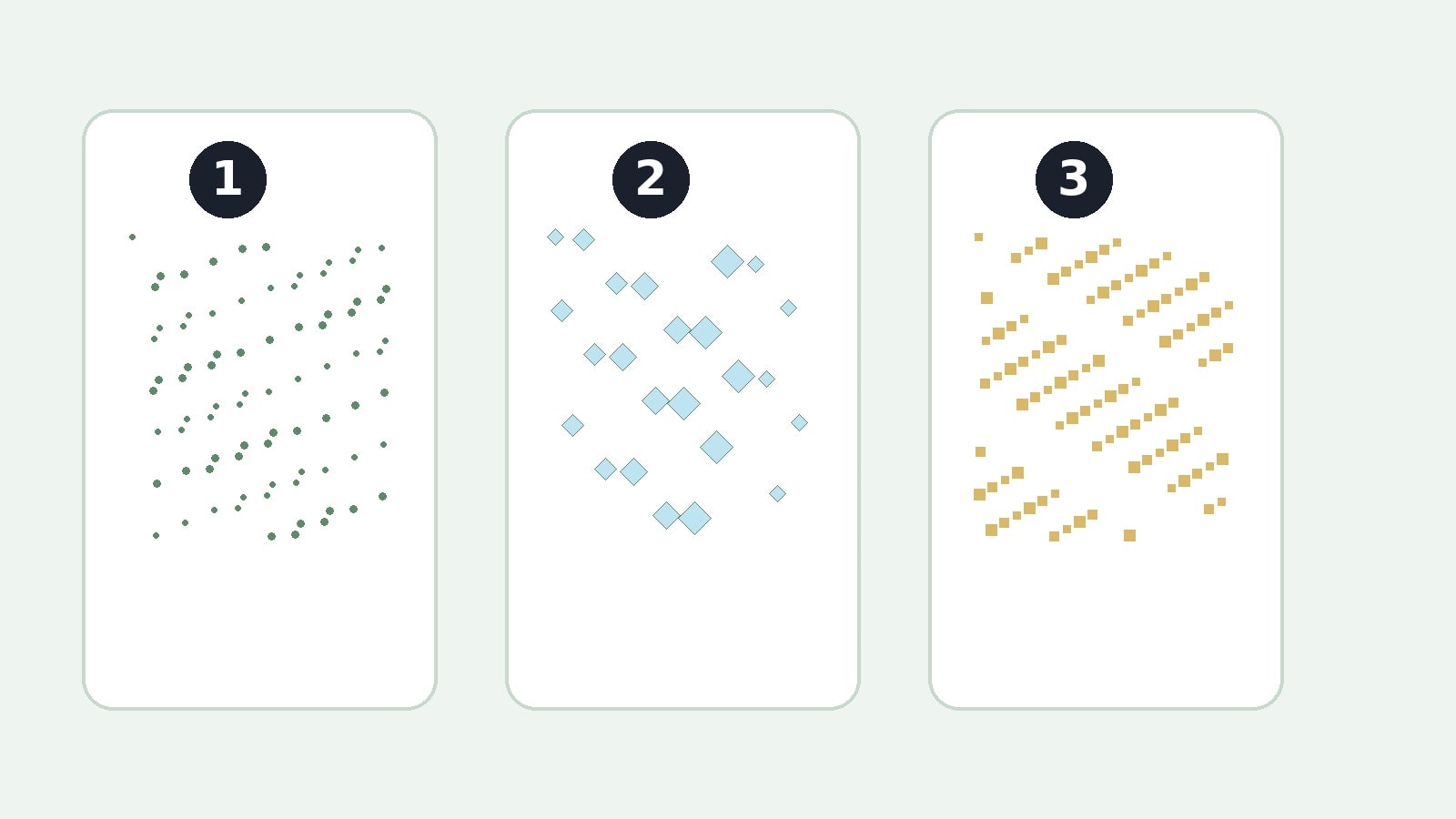
Causes of a coarse gelato texture from mix to display case
1. The formula and ingredients are not yet balanced
Too much free water, unsuitable total solids, or sugar types and quantities chosen without considering their function can change the way the mix freezes. Stabiliser is not an automatic repair button either. Use your gelato recipe balancing notes and the guide to gelato ingredients and their functions to assess the formula as one system.
2. Weighing, dissolution or mixing is inconsistent
Different weights from one batch to another can change the total solids, while poorly dispersed ingredients can leave grains. Check the order in which ingredients are added, the scale’s accuracy, the working temperature used in your method and whether the mix is truly homogeneous before freezing.
3. Freezing and hardening are too slow
Ice crystals begin to form during freezing. If heat is removed slowly, the crystals have more time to grow. Delayed hardening after the product leaves the machine also gives the structure time to change. Review the load against the machine’s capacity, the condition of the machine, the initial mix temperature and the speed of transfer to storage.
4. Storage temperatures fluctuate
When a product partly softens and then freezes again, small crystals can melt and their water can refreeze onto larger crystals, or neighbouring crystals can join. This change is called recrystallisation. Check frequently opened doors, container placement, airflow, product transfers and freezer stability. One temperature reading is not enough; the pattern during operation is more useful.
5. Display-case management is inconsistent during service
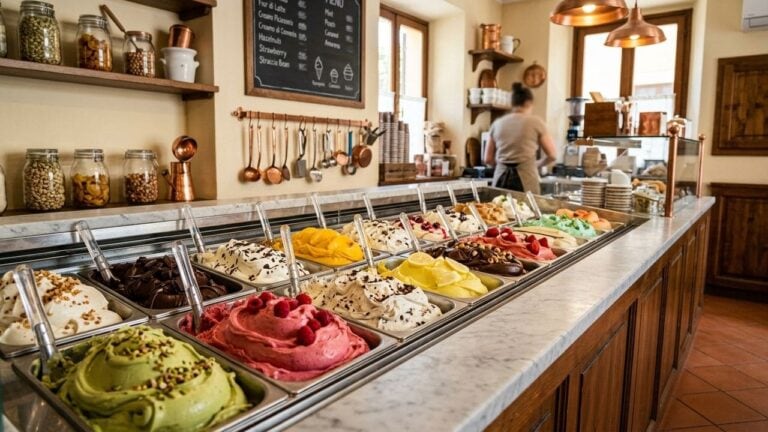
The display case is part of the cold chain, not simply a cabinet. Pan position, product load, opening frequency, surface handling and service time can all influence texture. The guide to the role and management of a gelato display case places service within the wider production system.
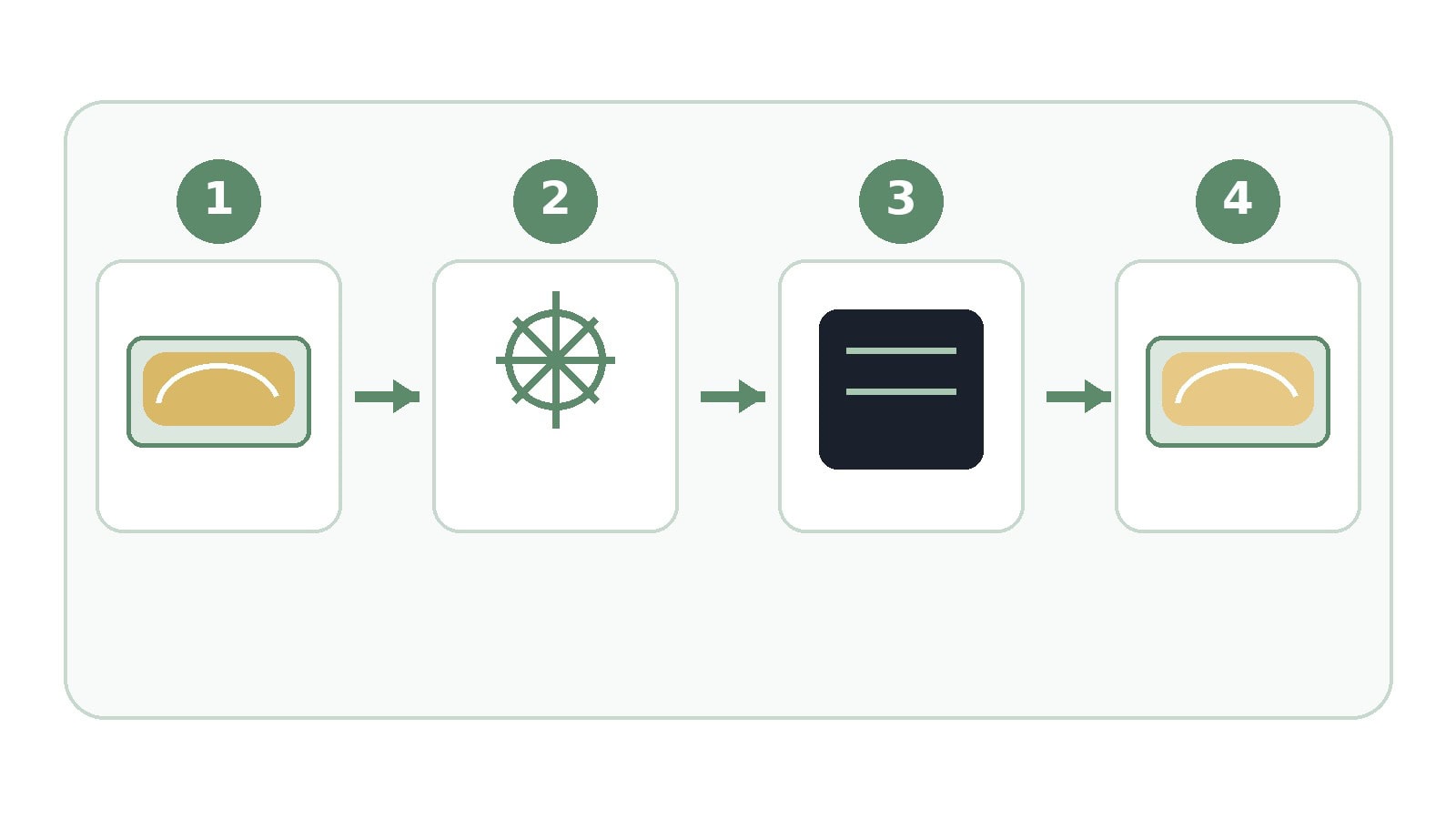
A repeatable diagnostic sequence
- Identify when the problem first appears. Taste and record the texture when the product leaves the machine, after hardening and after the usual service period.
- Choose one reference batch. Use a documented recipe, ingredients, mix quantity, machine and procedure. Avoid comparing batches that differ in many variables.
- Check the temperature and time history. Review the initial mix temperature, process duration, transfer speed, storage conditions and exposure in the display case.
- Check weighing and ingredient dispersion. Confirm that the scale is accurate, ingredients are not clumped and the work sequence is followed consistently.
- Change one variable. If you change several conditions together, you may obtain a different product without learning which change mattered.
- Repeat and document. Keep the sensory result, a photo when useful and the process notes. A pattern across several batches is stronger than one impression.
If a coarse gelato texture appears only after storage, the first checks will usually differ from those for a product that is already coarse when it leaves the machine. This sequence narrows the possible causes without blaming one ingredient too quickly.
Symptom map and first checks
| Symptom | Initial clue | First check |
|---|---|---|
| Coarse when it leaves the machine | The initial structure or mix may not be consistent. | Check the formula, mix temperature, load, machine condition and process time. |
| Smooth when fresh, coarse after storage | Hardening may be slow or storage temperatures may fluctuate. | Check product transfer, the freezer, doors, container placement and temperature history. |
| Grains remain after the ice crystals melt | Possibly a sandy texture, not only ice crystals. | Check dissolution, dispersion, solids balance and when the sensation develops. |
| Only certain pans change | Position, airflow, handling or service time may differ. | Compare positions in the display case and the operator’s pan-handling method. |
| Results differ between operators | The procedure may not be sufficiently standardised. | Compare weighing, work order, freezing endpoint and recording method. |
Three shortcuts to avoid
Adding stabiliser without a diagnosis. Stabiliser works within the formula and process. An unplanned addition can change the texture without correcting the main cause.
Changing sugar only to make the product softer. Sugar affects flavour, freezing behaviour and total solids. Any correction needs to be calculated with the whole recipe.
Refreezing a product that has repeatedly softened. Temperature cycles can enlarge crystals. Protect the cold chain and review the procedure rather than treating refreezing as a texture recovery method.
One principle to remember: trace texture from the symptom back through the process, not from an assumption towards one ingredient.
Frequently asked questions about coarse gelato texture
What causes a coarse gelato texture?
The cause can lie in the formula, ingredient dissolution, freezing, hardening, storage or service. The moment when the symptom first appears helps determine the first checks.
Do large ice crystals always come from the recipe?
No. The formula affects freezing, but freezing speed, hardening, temperature changes and handling can also increase crystal size.
Can stabiliser immediately fix the texture?
Not automatically. Its role and dosage need to be assessed with the water, sugars, total solids and process. Adding it without a diagnosis can hide another problem.
Why is gelato smooth when made but coarse the next day?
That pattern directs the first checks towards hardening, storage, temperature fluctuations and the way the product was transferred or served.
How can the investigation be made more reliable?
Use a reference batch, record temperatures and times, change one variable and repeat. Several consistent records are more useful than one quick conclusion.
Build texture through a disciplined process
The La Gelato course connects ingredient functions, recipe balancing, freezing, storage and troubleshooting in one learning path.
Explore the Gelato Course